


By Newton M. Mambande
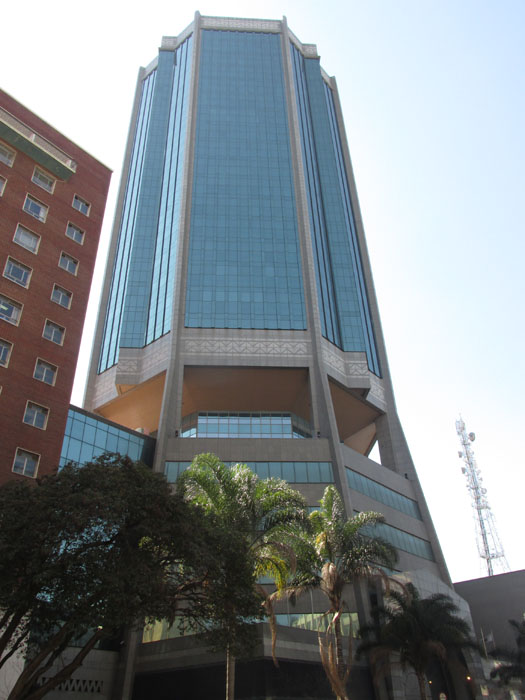
HARARE – THE Reserve Bank of Zimbabwe’s (RBZ) Monetary Policy Committee (MPC) meeting resolutions of 24 March 2026 have sparked debate among economists and stakeholders. While the decision to maintain the bank policy rate at 35% is seen as prudent, concerns remain about the lack of transparency regarding the ZiG’s exchange rate mechanism and the continued expansion of money supply.
The suspension of the proposed 10% surrender requirement for small-scale miners is a welcome move, likely to incentivise formal deliveries and boost gold reserves. However, the RBZ’s “willing-buyer, willing-seller” terminology masks the ZiG’s fixed exchange rate, creating uncertainty and potential market distortions.

The RBZ’s monetary policy framework aims to restore price and exchange rate stability, but its effectiveness hinges on addressing structural issues such as illicit gold trading and inadequate foreign exchange reserves. The ZiG’s stability is also threatened by government spending pressures and the need for fiscal discipline.
Key Concerns
- Lack of Exchange Rate Flexibility: The ZiG’s fixed exchange rate may lead to market distortions and currency instability.
- Money Supply Growth: Continued expansion of money supply fuels inflation expectations and undermines currency stability.
- Illicit Gold Trading: Unchecked gold leakages threaten the ZiG’s value and reserve accumulation.
To regain market confidence, the RBZ must prioritise transparency, fiscal discipline, and structural reforms. The path forward requires a balanced approach, addressing both short-term stability and long-term economic growth.
Newton M. Mambande is an entrepreneur and researcher with published scientific research in scholarly journals. He is reachable at newtonmunod@gmail.com or +263773411103.
Discover more from Etimes
Subscribe to get the latest posts sent to your email.