


By Andrea Nokwanda Bule
HARARE – IN the global race for technological sovereignty, the most valuable infrastructure isn’t always found within the glass towers of our cities; it is often forged on the dusty, off‑road tracks of our rural districts. Last week, we discussed the high‑level architecture of the Zimbabwe National AI Strategy (2026–2030), but on March 22, 2026, that strategy met the ground.
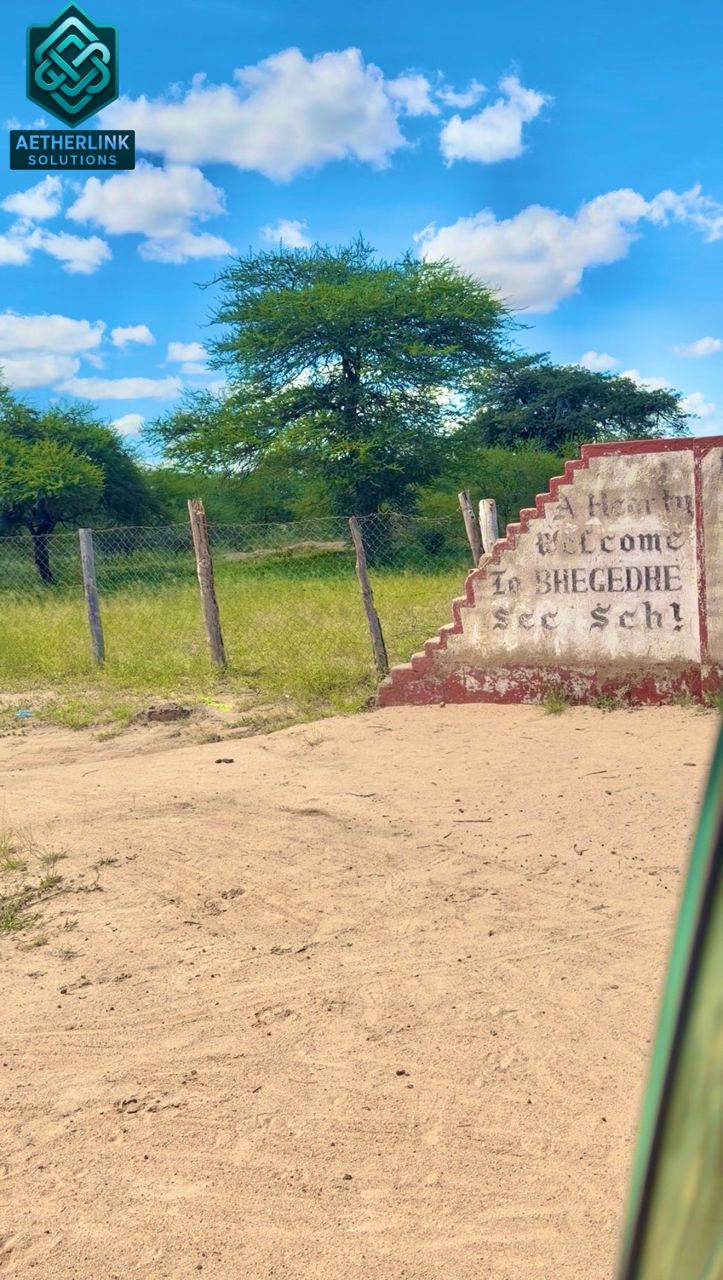
This week our team traveled a 420 km journey from Gweru to Buhera South—400 km of tar followed by 20 km of unforgiving terrain—to install a Starlink Standard kit at Bheghedhe Secondary School served as a stark reminder: connectivity is no longer a utility, it is a strategic national asset.

In an environment of surging fuel prices and grueling logistics, these journeys are a test of endurance, yet they remain the necessary heartbeat of a nation’s digital evolution. When a community lacks stable cell tower coverage, deploying a satellite kit is not merely a technical task; it is a calculated act of empowerment. It is the unapologetic moment a community transitions from being digitally invisible to becoming an active participant in the global network, ensuring our rural youth are not just consumers of the future, but its primary architects.
Bridging the Divide: Beyond the “Dish”
For startups like AetherLink, bridging the digital divide is about more than hardware; it is about providing the support and infrastructure that allows a community to thrive. The recent government initiative to donate 8,000 Starlink kits to underserved schools is a massive catalyst for this change. However, the real “Rural Revolution” happens when that connectivity is integrated into the daily life of the school and the surrounding village.
In Bheghedhe, the arrival of high‑speed internet means:
- Educational Parity: Students in rural Buhera accessing the same AI‑powered learning tools as those in the capital.
- Community Hubs: Schools becoming central points for digital literacy, where the “last mile” of connectivity finally meets the people who need it most.
Aligning Local Action with National Strategy
Zimbabwe’s National AI Strategy (2026–2030) rests on several key pillars that are activated the moment a remote school goes online:
- Talent and Capacity Development: The goal to train 1.5 million coders depends entirely on access. By connecting secondary schools in remote districts, the talent pipeline is expanded beyond the urban centers, ensuring a diverse generation of African AI creators.
- Infrastructure Sovereignty: Utilizing Low Earth Orbit (LEO) satellites allows the nation to leapfrog traditional infrastructure limitations. It turns geographical distance into a secondary concern, placing high‑performance connectivity exactly where it is needed.
- AI for Development: In regions like Buhera, connectivity allows for the eventual adoption of AI‑driven agricultural tools and remote healthcare services, aligning local needs with the national vision for a knowledge‑driven economy.
The Value of the Journey
The challenges of the road—the dust, the wear on vehicles, and the rising costs of logistics—are real. Yet, they serve as a reminder of the “digital gap” in physical terms. Every kilometer traveled off‑road represents a step toward a more inclusive future. As Zimbabwe moves forward with its AI roadmap, the focus must remain on these last‑mile installations. Connectivity is the foundation upon which the AI ecosystem is built. When we connect a school, we aren’t just providing Wi‑Fi; we are seeding an environment where connected users can eventually become creators, builders, and innovators of African solutions.
Key Takeaways for an Inclusive Future
- Infrastructure Leapfrogging: LEO technology is the most immediate tool for bypassing legacy infrastructure gaps in rural Zimbabwe.
- Strategic Partnerships: Government donations are maximized when supported by technical partners who can navigate the physical and logistical challenges of rural deployment.
- Human‑Centric Connectivity: The ultimate goal is not just a “connected device,” but a digitally empowered population capable of shaping their own destiny.
Conclusion
Artificial Intelligence is often framed as a conversation about algorithms and machines. But , the real foundation of an AI‑driven nation is much simpler: it is about people, connectivity, and the grit required to ensure no community is left behind. Zimbabwe stands at a pivotal moment. If the nation continues to expand its reach—one school and one community at a time the promise of the Fourth Industrial Revolution will finally translate into shared prosperity for all.

Andrea Nokwanda Bule is a BSc Telecommunications Engineering graduate and Founder of AetherLink Solutions, a startup dedicated to expanding digital connectivity across Zimbabwe. With expertise in satellite deployments and infrastructure logistics, she bridges the digital divide for underserved communities. Andrea is a Cisco Certified Network Associate , Data Analyst and a member of the Young AI Leaders Community, advocating for sovereign digital infrastructure and human-centric AI adoption. Phone number: +263771537759
Email address: andrea@aetherlink.co.zw
LinkedIn: https://www.linkedin.com/in/andrea-n-bule
Discover more from Etimes
Subscribe to get the latest posts sent to your email.