


By Newton Mambande
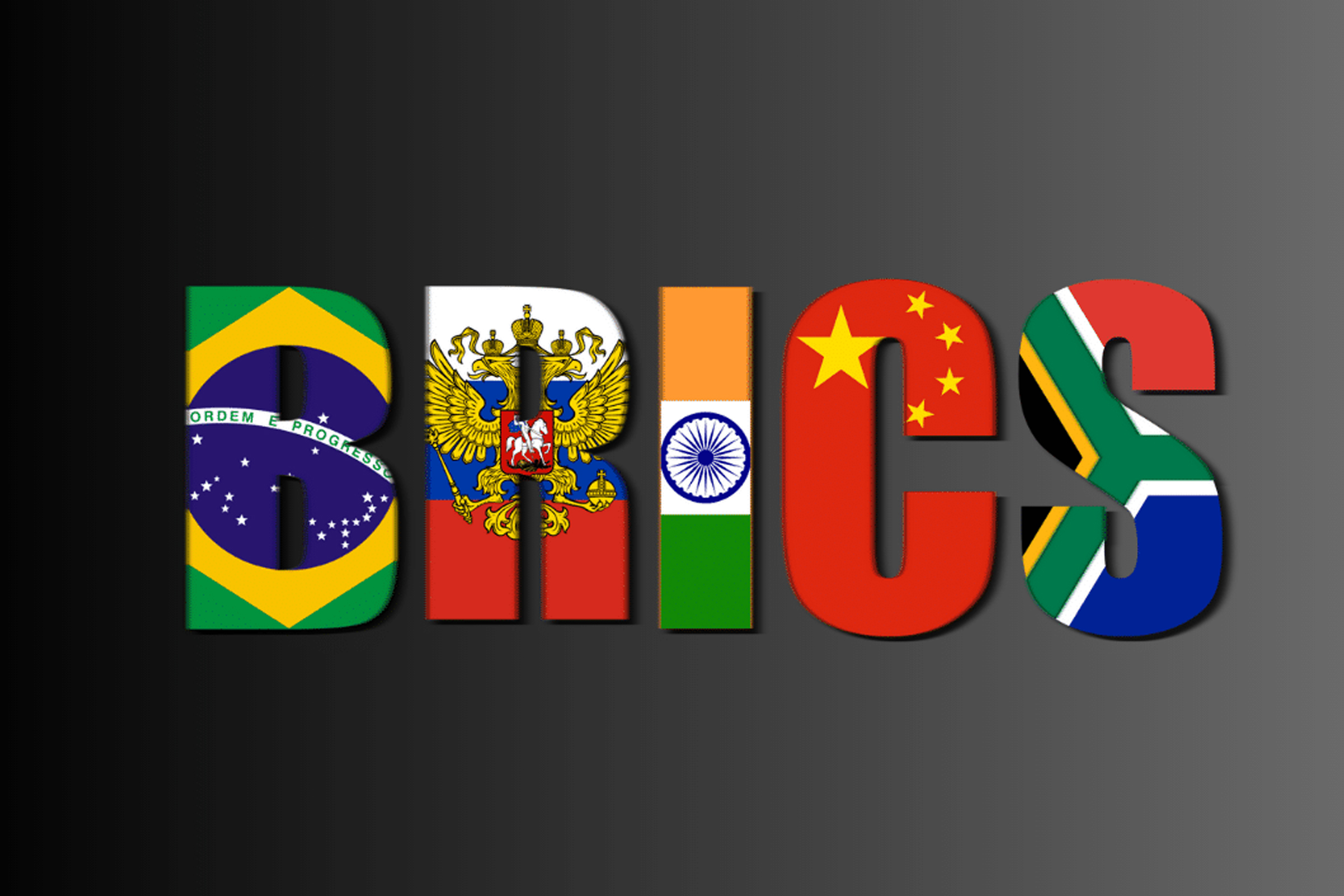
HARARE – AS Zimbabwe contemplates its position in the global economic landscape, particularly regarding membership in BRICS (Brazil, Russia, India, China, South Africa), it is vital to consider both the opportunities and risks. Understanding the vision and mission of BRICS-a platform for enhanced economic cooperation among emerging economies-is a starting point. However, before Zimbabwe leaps into BRICS, learning from the causes and outcomes of Brexit and the dynamics of the European Union (EU) is prudent.
Historical Background of BRICS

BRICS was established on June 16, 2009, with the first summit held in Yekaterinburg, Russia. The grouping aims to foster cooperation in trade, investment, finance, and technology among its members. For Zimbabwe, joining BRICS could open doors to an array of trading partners and markets for products like beef, natural honey, and organic food.
Potential Benefits of Zimbabwe Joining BRICS
Zimbabwe stands to gain several advantages from BRICS membership. Enhanced economic cooperation and trade could provide access to vast markets in BRICS countries, boosting Zimbabwe’s exports. Additionally, access to the BRICS New Development Bank (NDB) could facilitate financing for modernizing infrastructure such as roads, transport, and communication networks – spurring economic growth, attracting foreign direct investment (FDI), and increasing capital inflow. The infusion of technology and expertise could further drive development, while proximity to India may enhance healthcare advancements in pharmacy and medicine. Moreover, job creation opportunities could contribute to employment growth and poverty alleviation.
Risks and Lessons from Brexit
However, Zimbabwe must heed lessons from Brexit – the UK’s exit from the EU, driven partly by concerns over sovereignty, trade deficits, and economic control. Risks associated with Zimbabwe joining BRICS include accelerated deindustrialization, where the liberalization of markets without careful monitoring could harm small-to-medium enterprises (SMEs) and conglomerates like Tongaat Hulett, Border Timbers Limited, and Tanganda Tea Company Limited. Another critical risk is the potential widening of Zimbabwe’s trade deficit, which could make BRICS membership unfavorable if not strategically managed.
Conclusion
In conclusion, while BRICS offers Zimbabwe avenues for enhanced trade, infrastructure development through the NDB, and technological advancement, risks such as deindustrialization and widening trade deficits remain significant. Just as Brexit’s causes were rooted in sovereignty and economic concerns, Zimbabwe must carefully weigh these factors. A balanced approach – featuring controlled liberalization and strategic leveraging of BRICS partnerships while safeguarding domestic industries—could be key to maximizing benefits and mitigating risks.

Newton Mambande is an entrepreneur and researcher. He has published scientific research in academic journals. He is reachable via email at newtonmunod@gmail.com or WhatsApp at +263773411103.
Discover more from Etimes
Subscribe to get the latest posts sent to your email.