


By Staff Writer
HARARE – WEST African nations have taken a major step toward one of the continent’s most ambitious energy projects after Economic Community of West African States (ECOWAS) member states signed the Intergovernmental Agreement for the Nigeria-Morocco African-Atlantic Gas Pipeline.
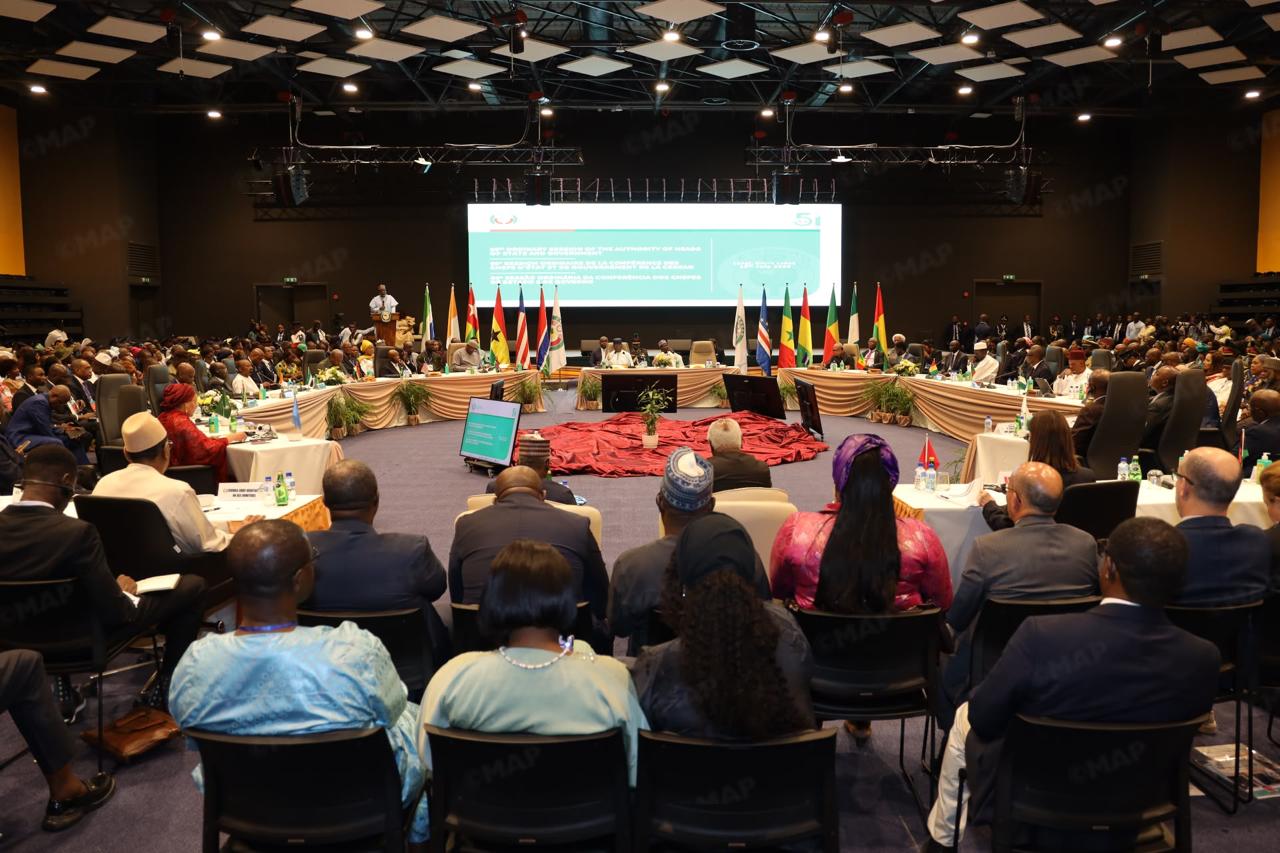
Signed in Freetown, Sierra Leone, on Sunday, the agreement formally establishes the legal framework for the transcontinental project, which is expected to bolster regional integration and strengthen energy security across West Africa.

The African-Atlantic Gas Pipeline, first discussed in 2016 during King Mohammed VI of Morocco’s visit to Abuja and backed by former Nigerian President Muhammadu Buhari, has since received continued support from Nigerian President Bola Ahmed Tinubu.
Jointly developed by Morocco’s National Office of Hydrocarbons and Mines and the Nigerian National Petroleum Company Limited, the project has been positioned as a flagship example of African-led infrastructure development and South-South cooperation.
Officials said the signing in Freetown marks a critical institutional milestone, effectively anchoring the project within the ECOWAS framework.
Although Morocco is not a member of the regional bloc, Rabat participated in the ceremony as one of the project’s principal architects.
The pipeline, spanning approximately 6,800 kilometres along Africa’s Atlantic coast, is expected to pass through 13 countries and serve as a strategic energy corridor to improve access to natural gas, stimulate economic growth, and advance regional energy independence.
Attention will now shift to Morocco, where a high-level ceremony is expected later this year to formally establish the project’s management company.
The event is anticipated to be attended by King Mohammed VI, President Tinubu and Mauritanian President Mohamed Ould Ghazouani. The management company, which will be headquartered in Morocco, is expected to oversee the project’s financial, technical and operational implementation.
Supporters of the initiative have described the Morocco-Nigeria partnership as the driving force behind the pipeline, citing years of diplomatic and economic cooperation between Rabat and Abuja.
The project is widely regarded as one of Africa’s largest planned energy infrastructure investments, with proponents arguing that it will not only enhance energy access but also deepen trade ties and regional cooperation across West Africa.
The African-Atlantic Gas Pipeline could redefine the continent’s energy map, transforming natural gas into a catalyst for economic integration and long-term development
Discover more from Etimes
Subscribe to get the latest posts sent to your email.