


By Tinotenda Bhunu
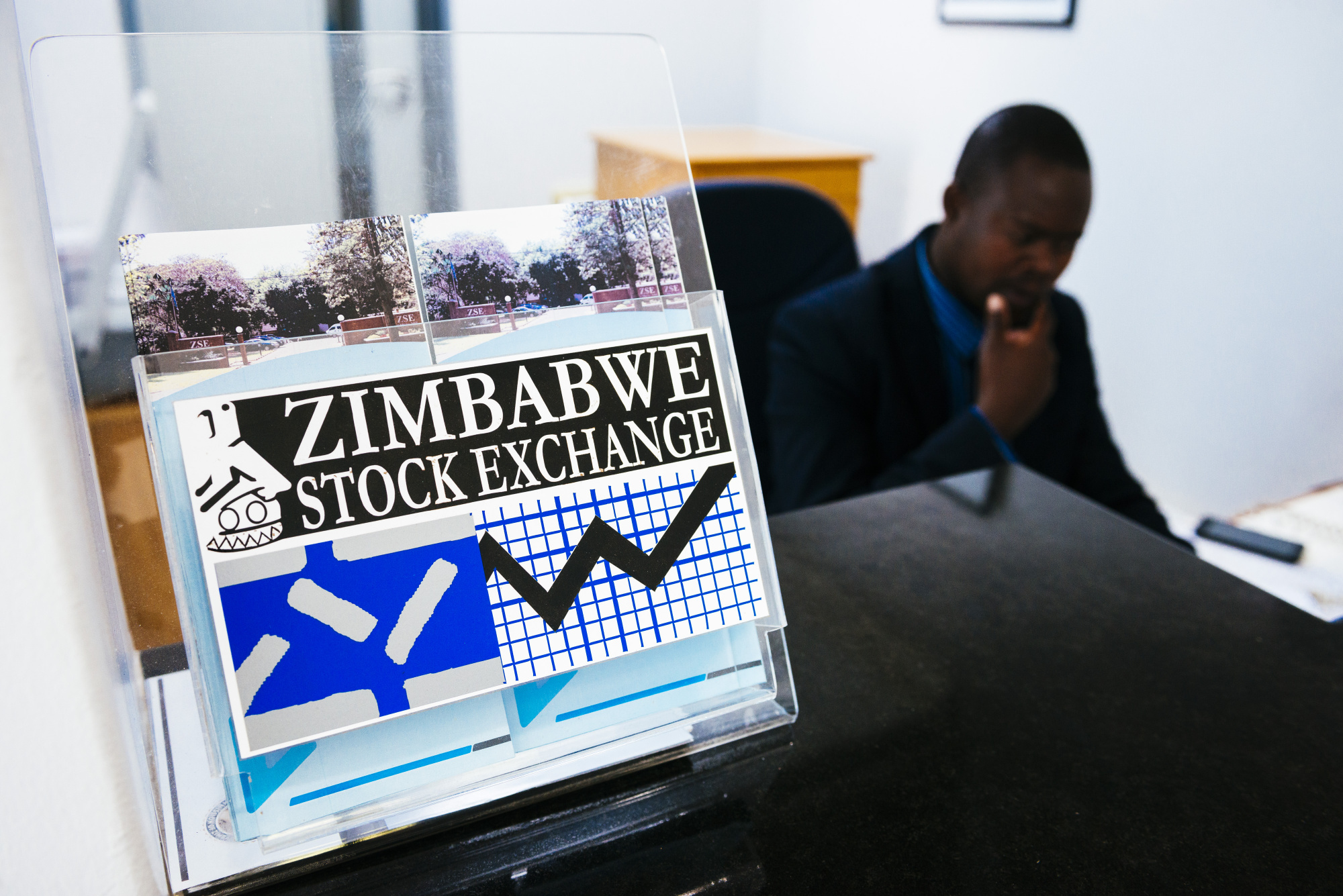
HARARE – WHAT initially appeared to be isolated corporate decisions is increasingly revealing itself as a significant trend within Zimbabwe’s capital markets.
When Edgars Stores Limited delisted from the Zimbabwe Stock Exchange (ZSE), many capital market analysts treated it as a company-specific event. When Econet Wireless Zimbabwe followed suit through its corporate restructuring and delisting exercise, it was again viewed as a unique case. However, as more companies either migrated to the Victoria Falls Stock Exchange (VFEX) or exited the ZSE altogether, a pattern began to emerge that can no longer be ignored.

National Foods, Simbisa Brands, Seed Co International, Padenga Holdings, and Bindura Nickel Corporation have all migrated to the VFEX. Caledonia Mining chose the VFEX as its Zimbabwean listing platform. Now, Dairibord Holdings has announced plans to voluntarily delist from the ZSE and relist on the VFEX.
What started as a series of seemingly unrelated corporate actions is now raising uncomfortable questions about the future competitiveness of Zimbabwe’s premier stock exchange.
The latest move by Dairibord should not be viewed merely as another corporate transaction. Rather, it should be seen as a warning signal that something fundamental is changing within Zimbabwe’s capital markets.
The question is simple: Why are companies increasingly abandoning the Zimbabwe Stock Exchange?
The significance of these departures extends far beyond the companies involved. Stock exchanges play a critical role in economic development. They mobilise savings, facilitate investment, improve corporate governance, and provide businesses with access to long-term capital. More importantly, they serve as a barometer of investor confidence and economic prospects.
When companies begin leaving a stock exchange in growing numbers, attention inevitably shifts from the firms themselves to the environment in which they operate.
For decades, a ZSE listing was considered the pinnacle of corporate achievement. It provided prestige, visibility, and access to capital. Listing on the exchange was often viewed as a sign that a company had reached a certain level of maturity and credibility.
Today, however, many corporate boards appear to be reassessing whether the ZSE still offers the advantages that once made listing attractive.
One of the most significant challenges is currency uncertainty. Zimbabwe’s evolving monetary environment has created valuation difficulties for both investors and companies. Exchange-rate volatility, inflation dynamics, and changing monetary arrangements often make it difficult to determine the true value of listed firms.
As a result, share prices frequently reflect macroeconomic fears rather than company fundamentals. Businesses that are profitable and operationally strong may find themselves trading at valuations that management believes do not accurately represent their intrinsic worth.
For corporate executives, this creates a fundamental dilemma. Why remain listed on a market where external economic conditions have a greater influence on valuations than the actual performance of the business?
The rise of the Victoria Falls Stock Exchange has provided an alternative answer.
Operating in United States dollars and supported by a range of incentives, the VFEX offers companies greater currency stability, access to foreign investors, and a platform that aligns more closely with the realities of businesses generating significant foreign currency revenues.
For many companies, the attraction is obvious. If capital can be raised in a hard-currency environment while providing investors with greater certainty, the business case for migrating becomes increasingly compelling.
Liquidity is another factor driving the shift.
A stock exchange derives much of its value from the ability of investors to buy and sell shares efficiently. However, many counters on the ZSE experience relatively low trading volumes. Limited liquidity makes it difficult for investors to enter or exit positions without affecting prices, reducing the effectiveness of the market as a mechanism for capital raising and price discovery.
When liquidity declines, valuations often suffer. When valuations suffer, the incentive to remain listed weakens.
This creates a cycle that becomes increasingly difficult to reverse.
The costs associated with maintaining a listing also deserve consideration. Listed companies are required to comply with extensive governance, reporting, and disclosure obligations. These requirements are important for protecting investors and ensuring market integrity. However, they also come at a cost.
If a company is not receiving sufficient benefits in the form of access to capital, liquidity, or fair market valuations, directors naturally begin to question whether maintaining a listing remains worthwhile.
Global trends are also influencing corporate decisions. Around the world, companies now have access to a wider range of financing options than ever before. Private equity, venture capital, development finance institutions, and strategic investors increasingly provide alternatives to public markets.
In some cases, companies can secure funding more efficiently through private channels than through a stock exchange listing.
Underlying all these factors is the issue of investor confidence.
Capital markets thrive on stability, predictability, and trust. Investors are more willing to commit long-term capital when they have confidence in economic policies, currency arrangements, and regulatory frameworks. Where uncertainty persists, participation declines. Lower participation leads to reduced liquidity, weaker valuations, and ultimately a diminished attractiveness of the market itself.
The danger is that a self-reinforcing cycle begins to develop.
Lower confidence leads to lower liquidity. Lower liquidity contributes to weaker valuations. Weaker valuations encourage more companies to leave. Each departure further reduces the depth and attractiveness of the market, creating additional incentives for others to follow.
This is why Dairibord’s decision matters.
The issue is not simply that one company is moving from one exchange to another. The issue is that a growing number of Zimbabwe’s most recognisable corporations have either left the ZSE or chosen alternative platforms. Edgars, Econet, National Foods, Simbisa Brands, Seed Co International, Padenga Holdings, Bindura Nickel Corporation, and now Dairibord all form part of a broader story about the changing dynamics of Zimbabwe’s capital markets.
Importantly, many of these companies are not rejecting public markets altogether. Their migration to the VFEX suggests that they still see value in being listed. What they appear to be questioning is whether the ZSE, in its current form, remains the most effective platform for delivering shareholder value.
For policymakers and regulators, this distinction is critical.
The real question is not why Dairibord is leaving.
The real question is why so many companies before it reached the same conclusion.
Until concerns around valuation, liquidity, investor confidence, and market competitiveness are adequately addressed, Dairibord may not be the last company to leave the Zimbabwe Stock Exchange.
What started as a few isolated departures is now beginning to look like a structural shift. And if that shift continues, the future of Zimbabwe’s capital markets may depend not on why companies are leaving but on what can be done to make them stay.
Tinotenda Bhunu is an economist by profession. LinkedIn: https://www.linkedin.com/in/tinotenda-bhunu-114645208?utm_source=share&utm_campaign=share_via&utm_content=profile&utm_medium=android_app
Discover more from Etimes
Subscribe to get the latest posts sent to your email.