


By Tonderai Godknows Mapfumo
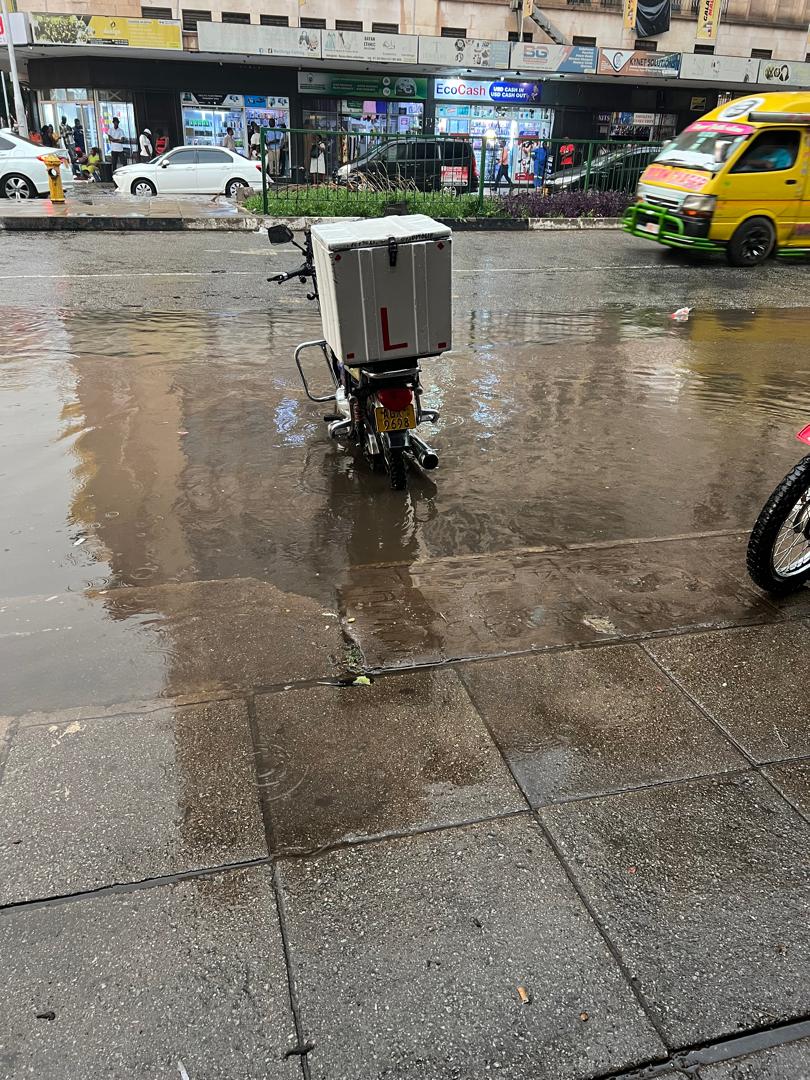
HARARE – Heavy rains that flooded Harare on Tuesday exposed serious weaknesses in the city’s drainage system, leaving motorists stranded and homes inundated. Only weeks earlier, Harare Mayor Jacob Mafume had been championing the “Chenesa Harare” (Clean Up Harare) campaign, a highly visible operation to remove street vendors and demolish illegal structures.
Many residents are now asking whether the council’s priorities are right. A city struggling to drain its own rainwater faces hard questions about its focus on cleanliness, and a council that cannot afford basic water and sanitation faces equally hard questions about any plan to fund a professional football club. Residents are entitled to ask how the Mayor interprets his mandate and duties, and to use lawful channels to seek answers.

The Floods Raised Questions About the Clean-Up Campaign
The logic of the campaign was straightforward: the city was dirty, so vendors had to go and illegal structures had to come down. Mr Mafume also framed the operation as part of a fight against drug abuse and urban decay.
Tuesday’s floods, however, showed that many of Harare’s blockages lie underground. The drainage system is choked with silt and garbage after years of neglect. Removing vendors does not unblock a storm drain, and demolishing informal structures does not repair a collapsed sewer line. Critics argue that the council has directed its limited enforcement capacity at highly visible targets while large infrastructure deficits remain, and fixing those requires billions of dollars, long-term planning and engineering expertise.
The council is also under financial strain. Between January and July 2026, the City of Harare collected only 59% of its potential revenue. Its total debtors have risen to over ZiG 11 billion, with residents’ unpaid bills alone climbing from ZiG 4.7 billion to over ZiG 6.3 billion. A council that struggles to collect what it is owed will find it harder to make the case for order and cleanliness.
The Football Club and the Question of Priorities
Days before the flooding, Harare City Football Club secured promotion back into the Zimbabwe Premier Soccer League. In many cities this would be a celebrated milestone. In Harare, it raises a financial question.
Where will sponsorship money come from? Past experience is instructive. In 2017, then Mayor Bernard Manyenyeni reportedly said the council had spent roughly $6 million on football, money that could have bought 60 refuse compactors. In 2022, a proposal to inject $2.23 million into the club was reportedly rejected after councillors noted that the city needed only $400,000 to buy essential garbage trucks. In May 2023, Mr Mafume cut council funding to the club, reportedly citing “operational irregularities and lack of funds”, when the club was said to need over $500,000 annually.
Now that the club is back in the top flight, the sponsorship question is returning. Supporters will argue that football provides “city pride” and youth employment. But with residents reporting contaminated, green water, the council needing $2.7 million monthly to buy water treatment chemicals, and capital expenditure execution at only 30%, many will ask whether council money can be spared for a football club.
If Harare City FC is confident of its standing, it can seek corporate sponsorship, commercial partnerships and gate revenue. The council’s core mandate is to provide water, sewage and roads.
Is the Council Focused on Its Core Duties?
The law defines a mayor’s duties, and residents are entitled to ask whether the council’s current focus reflects them. Public attention has centred on enforcement actions against vendors and illegal structures, and on the fate of the football club. Both generate public debate, but critics argue that neither addresses the city’s core bottlenecks.
Ahead of the rains, residents would have expected priority to go to drain-clearing, pump maintenance and early warning systems. The council has said the rain was too heavy, but Harare’s drainage problems have built up over decades, and residents want to know what preventive work was done.
Petitions and Accountability
Section 59 of the Constitution guarantees the right to demonstrate and petition peacefully. Residents may seek written, verifiable answers from the Mayor and council on drainage maintenance, the procurement of water treatment chemicals, and whether Harare City FC receives any council support.
Residents who remain dissatisfied can raise their concerns with ward councillors and the Minister of Local Government and, ultimately, at the ballot box. Any process to remove a mayor must follow the Urban Councils Act and due process, and any allegations of misconduct or incompetence must be properly substantiated.
The Economic Cost of Failing Infrastructure
Failing infrastructure is not only an inconvenience; it is a drag on the economy. Water insecurity forces households to buy expensive, unregulated water, with some Harare residents reportedly spending up to 20% of their income on it. That is money that would otherwise go to food, education and local commerce. Poor drainage means every heavy storm can damage roads and vehicles and force businesses to close, disrupting supply chains and livelihoods.
The council’s growing debt, worsened by residents who withhold payment for services they consider substandard, eventually falls back on ratepayers through higher tariffs or degraded services. If the football club were funded by the council, that money would be diverted from garbage trucks and water purification.
Conclusion
Harare needs a council that prioritises drains, water pipes and the city’s balance sheet. The speed with which the “Chenesa Harare” campaign was carried out shows that the council can act decisively when it chooses, and residents hope to see the same energy directed at core services.
Residents do not need to wait for the next flood to ask questions. Petitioning the council, seeking transparency on the football club’s finances and scrutinising the drainage budget are sensible first steps. A city can survive a flash flood, but it needs leadership that puts core services first.
Tonderai Godknows Mapfumo is the Research and Advocacy Officer for COMALISO (Coalition for Market and Liberal Solutions) in Zimbabwe and an Associate of the Free Market Foundation.
Discover more from Etimes
Subscribe to get the latest posts sent to your email.