


Staff Writer
HARARE — IN a major shake-up of Zimbabwe’s mining landscape, Murowa Diamonds has effectively transitioned into a fully independent corporate entity following a sweeping balance sheet restructuring by its long-time associate, RioZim Limited.
RioZim has officially moved to transfer its remaining 22.2% shareholding in RZM Murowa back to the diamond company’s parent vehicle. The strategic exit not only severs RioZim’s decade-long equity ties with the prominent Midlands-based gem miner, but it also positions Murowa to chart its own standalone corporate path under.

The transaction is the centrepiece of a drastic turnaround strategy designed to revive the business and move toward sustainable profitability. According to an investor circular released by RioZim, the company agreed to transfer its entire 22.2% stake in Murowa, along with four key diamond mining claims, to major shareholder RZM Murowa (Private) Limited.
A New Chapter for Murowa
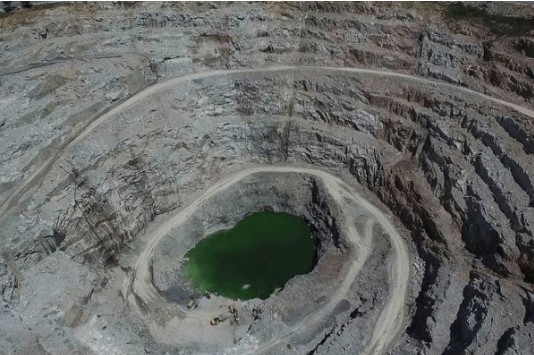
For Murowa Diamonds, located near Zvishavane, this corporate separation marks the end of an era that began when global mining giant Rio Tinto divested its 78% majority stake in 2015. Since that time, RioZim had maintained its minority interest and managed operations.
To lead this new era, Murowa Diamonds appointed Allan Mashingaidze, a vastly experienced industry executive, as its Chief Executive Officer.
Mashingaidze has his work cut out for him. “Murowa Diamonds is set to operate with full corporate autonomy,” he stated. “After assessing the tough global diamond market and the challenges of a bruising 2025—during which an aging heavy equipment fleet caused production to plummet—an organized corporate governance strategy is the most suitable route to take. An organized restructuring under independent oversight and stakeholder support will be a pivot to sustain operations at Murowa.”
He further noted that the company’s current focus is on resolving legacy obligations while maintaining a business that has made an important contribution to Zimbabwe’s mining sector.
“The mining industry presents unique challenges,” Mashingaidze explained. “Mines require significant long-term investment, specialized equipment, skilled employees, and strong relationships with suppliers, regulators, and local communities. Once operations cease, much of that value can be difficult, and sometimes impossible, to recover.”
The Role of Corporate Rescue
According to Mashingaidze, voluntary corporate rescue offers a viable alternative to liquidation.
“It allows operations to continue while an independent Corporate Rescue Practitioner works with creditors and other stakeholders to develop a practical restructuring plan. This process provides the breathing space needed to address financial obligations in a coordinated manner, instead of through fragmented enforcement actions that may ultimately reduce value for all stakeholders.”
He added that the decision followed careful consideration of all available options. “We concluded that Corporate Rescue provides the most appropriate mechanism for dealing with historical obligations while protecting the long-term viability of the business. Equally important, the process is conducted transparently and under independent professional supervision, giving all affected stakeholders an opportunity to participate.”
The Corporate Rescue framework was originally introduced to replace the old judicial management system because experience showed that viable companies often needed restructuring rather than liquidation. The legislation recognizes that financial distress does not automatically mean a business has reached the end of the road. With the right structure, independent oversight, and stakeholder support, companies can recover, continue operating, and preserve value that would otherwise be lost.
With the diamond business now entirely decoupled from Riozim, market analysts view the deal as a pragmatic pivot for both entities.
Discover more from Etimes
Subscribe to get the latest posts sent to your email.